A close friend of mine, a university student in her early twenties, was always interested in skincare trends. She had naturally slightly darker skin and simply wanted it to look healthier, brighter, and more glowing. Like many people today, she followed celebrities, models, and beauty influencers who constantly promoted natural ingredients instead of artificial products. She often heard advice like applying chickpea powder, turmeric, or saffron directly to the skin. Many of these tips were linked to Ayurveda and ancient beauty practices, so she believed they had to be safe.
Trusting these recommendations, she decided to try saffron as a home remedy for her face without testing it first. Instead of getting the glow she expected, her skin reacted badly. Her face became irritated, uneven, and dull, with an ashy, damaged appearance that made her stop using everything immediately. What she learned from this experience was simple but important: natural ingredients are not always gentle, and even traditional remedies can cause skin problems if used incorrectly or on the wrong skin type.
My friend’s story shows a common problem. But why do so many people trust natural products in the first place?

The Allure of Natural Products:
It’s natural to wonder why so many people are drawn to natural products in skincare and beauty. Whether it’s the influence of celebrities, the promise of gentle care, or the appeal of traditional remedies, understanding this attraction can help us make smarter choices. Here are the key reasons:
Why People Choose Natural Skincare
Now that we understand why people love natural products, we need to ask an important question: does “natural” really mean better?
Why “Natural” Isn’t Always Better for Your Skin:
- Perceived Safety: Natural products are often seen as safer because they come from plants, herbs, or traditional sources.
- Celebrity & Influencer Impact: Many models and influencers promote remedies like turmeric, chickpea powder, and herbal oils.
- Ayurveda & Tradition: Strong links to Ayurveda and cultural practices increase trust in natural skincare.
- Fear of Chemicals: The word “chemical” creates concern about side effects, pushing people toward “natural” labels.
- Marketing Appeal: Terms like “100% natural,” “herbal,” and “chemical-free” strongly influence buying decisions.
- Gentle Skincare Belief: People with sensitive skin believe natural ingredients are milder and better for daily use.
While natural products are popular and often perceived as gentle, it’s crucial to understand that “natural” doesn’t automatically guarantee safety or effectiveness. Herbs, plant extracts, and traditional remedies can trigger skin reactions, allergies, or damage when used incorrectly or on sensitive skin. Here’s why nature doesn’t always mean safe:
The Hidden Risks of Natural Ingredients:
- Allergies and Sensitivities: Natural ingredients like turmeric, saffron, and essential oils can cause redness, irritation, or rashes in certain skin types. Individual reactions vary significantly, making patch testing essential.
- Improper Application: Home remedies used in excessive concentrations, applied without prior testing, or combined incorrectly can damage the skin barrier and cause lasting harm.
- Absence of Standardization: Unlike regulated skincare products, natural ingredients often lack consistency in potency, quality, and purity. This variability makes outcomes unpredictable and potentially risky.
- Misplaced Confidence: The assumption that natural products are inherently harmless can lead people to disregard precautions, ignore warning signs, or overuse products increasing the risk of adverse effects.
- Unexpected Interactions: Natural ingredients may react with prescription medications, other skincare formulations, or UV exposure, producing unintended and sometimes harmful consequences.
But here’s something that might surprise you: the word “natural” on a product doesn’t have a clear, regulated meaning in the beauty industry.

Why Synthetic Ingredients Can Be Safe and Effective in Skincare:
Every substance has potential benefits when used correctly. Even snake venom, which is dangerous in nature, is carefully studied and used in modern medicine to create life-saving treatments. In the same way, ingredients that sound “synthetic” or “lab-made” are not automatically harmful. When developed, tested, and used under strict scientific standards, these ingredients can be safe, effective, and even better controlled than some natural alternatives.
This shows that it’s not about whether an ingredient is natural or synthetic, it’s about how it is formulated, tested, and used.
Scientifically Proven Synthetic Ingredients:
The following ingredients are commonly used in the modern beauty industry and backed by extensive research:
- Hyaluronic Acid: A lab-made version that deeply hydrates the skin and helps maintain moisture balance.
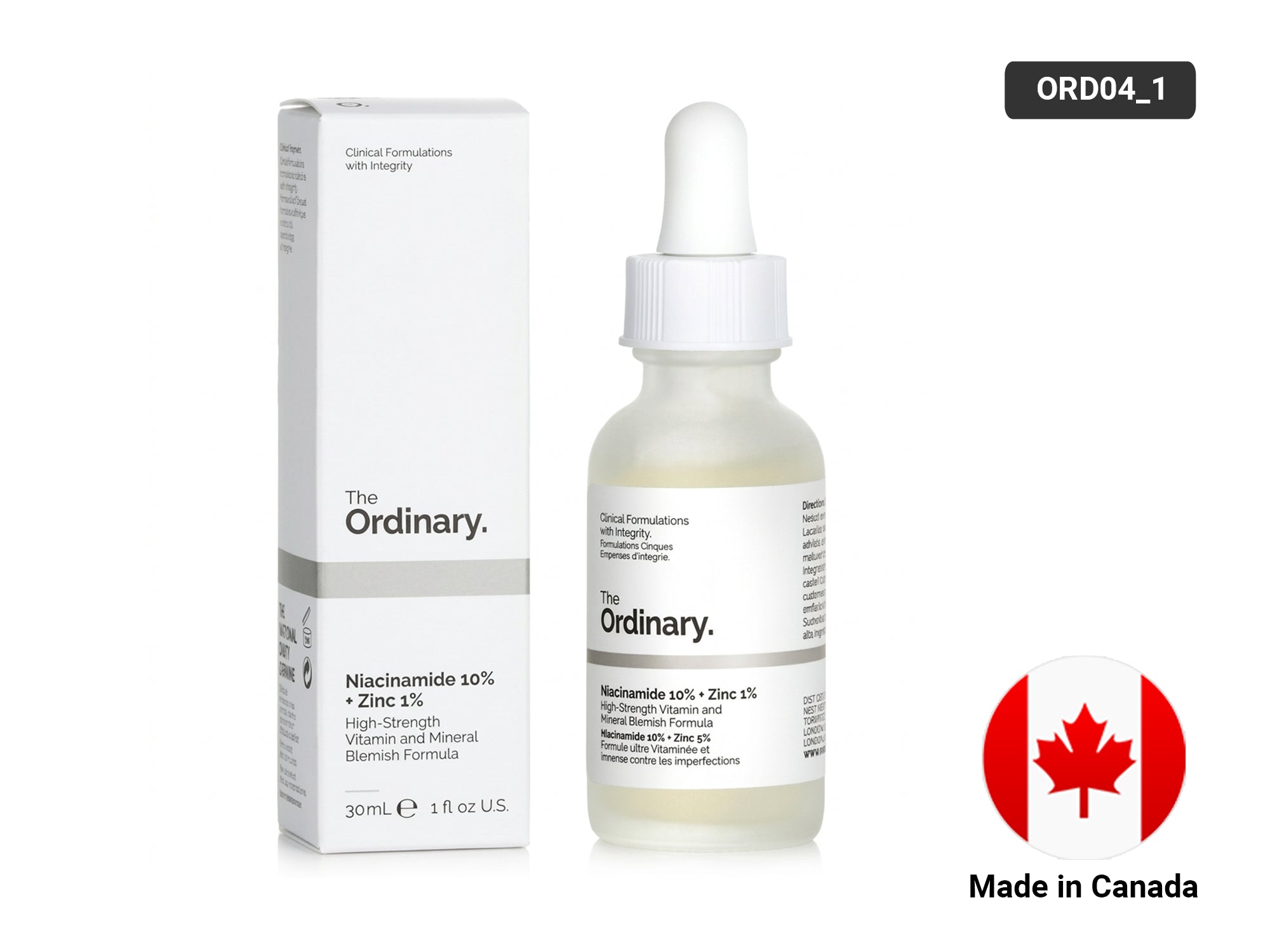
- Niacinamide (Vitamin B3): Helps improve skin tone, reduce redness, and strengthen the skin barrier.
- Retinol: A scientifically developed form of Vitamin A used to improve texture and reduce signs of aging.
- Peptides: Lab-created compounds that support skin repair and collagen production.
- Ceramides: Help restore and protect the skin’s natural barrier.
- Salicylic Acid: A synthesized ingredient widely used to treat acne and unclog pores safely.
The Role of Preservatives in Cosmetic Safety:
Preservatives play a critical role in cosmetic safety and skincare product protection. Without preservatives, cosmetics that contain water or natural ingredients can quickly grow bacteria, mold, and fungi, which may cause skin infections or irritation. Properly tested preservatives help extend a product’s shelf life and ensure it remains safe, stable, and effective from the first use to the last. In modern skincare, preservatives are used in carefully regulated amounts and are thoroughly evaluated to protect both the product and the consumer’s skin.
Rather than being harmful, preservatives are essential for maintaining hygiene, quality, and user safety in cosmetic products.
Back by Science: Separating Facts from Myths in Skincare
In skincare, results should be guided by scientific evidence, not just trends or traditions. Scientific research helps determine whether an ingredient is truly effective, safe, and suitable for different skin types. Through laboratory testing and clinical studies, science explains how ingredients work, what concentration is effective, and what risks may exist. This evidence based approach ensures that skincare products deliver real benefits rather than empty promises.
How Science Validates Skincare:
- Clinical Testing Proves Effectiveness: Ingredients are tested through controlled studies to confirm visible results such as hydration, acne reduction, or improved skin texture.
- Safe Concentration Levels Are Identified: Science determines how much of an ingredient is effective without causing irritation or damage.
- Skin Compatibility Is Evaluated: Research helps identify how different skin types may react to specific ingredients.
- Long-Term Effects Are Studied: Scientific testing examines not just short-term results but also long-term safety and performance.
- Claims Are Verified: Scientific evidence ensures that product claims are backed by data, not marketing hype.
Choosing the Right Skincare: What Really Matters:
When selecting skincare products, it’s essential to look beyond marketing buzzwords and focus on what truly benefits your skin. Here’s what really matters:

Key Factors for Smart Skincare Choices:
- Know Your Skin Type: Understanding whether you have oily, dry, combination, or sensitive skin helps you choose appropriate products.
- Look for Evidence-Based Ingredients: Choose products with ingredients backed by scientific research and clinical testing.
- Check Product Formulation: The way ingredients are combined, and their concentrations matter more than whether they’re natural or synthetic.
- Patch Test New Products: Always test new products on a small area of skin before full application to avoid adverse reactions.
- Read Labels Carefully: Look beyond “natural” or “chemical-free” claims and check the actual ingredient list and their purposes.
- Consider Your Specific Concerns: Target your specific skin issues acne, aging, hyperpigmentation with proven solutions.
- Consult Professionals: When in doubt, seek advice from dermatologists or qualified skincare consultants.
Why Cosmetic.lk Is Your Best Choice for Safe and Effective Skincare:
Cosmetic.lk is a trusted destination for safe and effective skincare in Sri Lanka. It offers 100% authentic products, expert advice, and personal recommendations to help you choose what truly works for your skin. From natural solutions to scientifically proven formulas, Cosmetic.lk ensures a reliable and stress-free skincare experience.
Why Choose Cosmetic.lk
- Expert Guidance: Get professional advice tailored to your skin type and concerns.
- Genuine Products: Guaranteed authenticity, no fakes, no compromises.
- Wide Selection: Natural, dermatologist-tested, and modern skincare options in one place.
- Personalized Care: Recommendations designed specifically for your skin needs.
- Trusted & Reliable: A leading authorized seller in Sri Lanka with customer-friendly service.
Conclusion: Making Informed Skincare Choices:
Healthy skin isn’t about choosing natural or synthetic it’s about choosing what truly works for your skin. Ingredients only matter when they are used correctly, tested properly, and backed up by real knowledge. Instead of following trends or bold claims, take time to understand your skin, patch-test products, and rely on trusted advice. With the right products from reliable sources like Cosmetic.lk, glowing skin comes from smart, informed choices and consistent care not hype.