Whiteheads are one of the most common types of acne, affecting people of all ages. These small, flesh-colored or white bumps typically appear on the face, especially on the forehead, nose, and chin. While they may seem minor, persistent whiteheads can impact your skin’s texture and overall appearance. Understanding what causes whiteheads and how to treat them effectively is key to achieving clear, healthy skin.
What Are Whiteheads?
Whiteheads, also known as closed comedones, occur when pores become clogged with oil (sebum), dead skin cells, and bacteria. Unlike blackheads, the pore remains closed, trapping the buildup beneath the surface and creating a white or slightly raised bump.
What Causes Whiteheads?
1. Excess Oil Production
Overactive sebaceous glands produce too much oil, which mixes with dead skin cells and clogs pores. This is especially common in oily and combination skin types.
2. Dead Skin Cell Buildup
When your skin doesn’t shed dead cells properly, they accumulate and block pores. Regular exfoliation is essential to prevent this buildup.
3. Hormonal Changes
Hormonal fluctuations during puberty, menstruation, pregnancy, or stress can increase oil production, leading to whiteheads.
4. Using Comedogenic Products
Heavy or pore-clogging skincare and makeup products can trap oil and debris in your pores. Choosing non-comedogenic products is crucial.
5. Poor Skincare Routine
Skipping cleansing or using harsh products can disrupt your skin barrier, causing more oil production and clogged pores.
How to Get Rid of Whiteheads
Getting rid of whiteheads requires a consistent skincare routine and the right products. Here are the most effective methods:
1. Cleanse Your Skin Properly
Use a gentle cleanser twice daily to remove excess oil, dirt, and impurities. Look for products containing salicylic acid, which penetrates pores and helps dissolve blockages.
2. Exfoliate Regularly
Exfoliation removes dead skin cells and prevents clogged pores. Chemical exfoliants like AHAs and BHAs are more effective than physical scrubs.
Recommended ingredients:
3. Use Targeted Treatments
Incorporate treatments that unclog pores and reduce oil production.
Best ingredients for whiteheads:
- Salicylic Acid: Clears pores
- Benzoyl Peroxide: Kills acne-causing bacteria
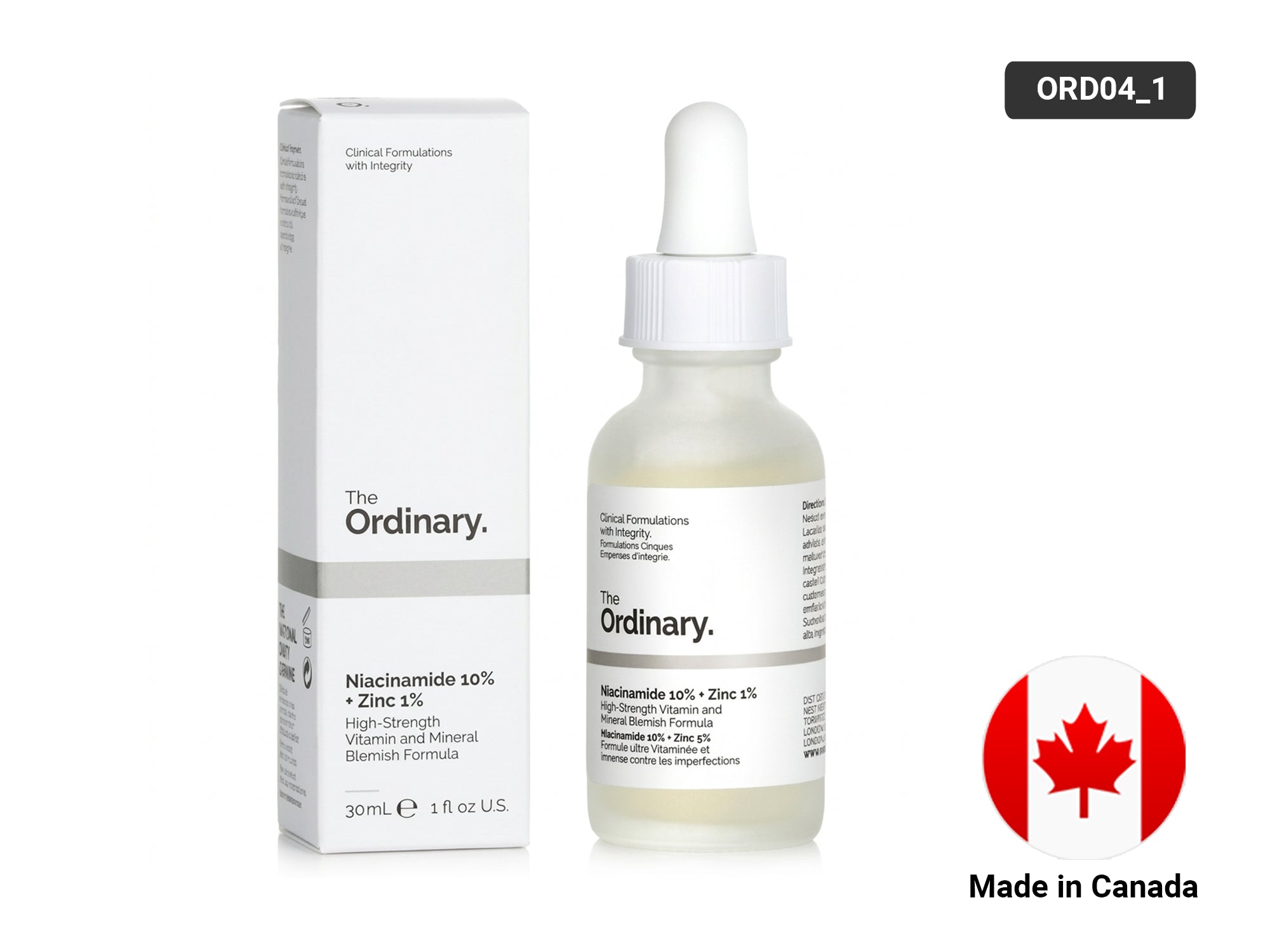
- Niacinamide: Controls oil and reduces inflammation
4. Apply Retinoids
Retinoids increase cell turnover and prevent clogged pores. They are one of the most effective long-term solutions for whiteheads.
5. Moisturize Daily
Even oily skin needs hydration. Skipping moisturizer can cause your skin to produce more oil, worsening whiteheads.
Choose lightweight, oil-free, and non-comedogenic moisturizers.
6. Avoid Pore-Clogging Products
Switch to non-comedogenic makeup and skincare products. Always remove makeup before sleeping to prevent buildup.
7. Don’t Pick or Squeeze
Picking whiteheads can push bacteria deeper into the skin, causing inflammation, scarring, and more breakouts.
8. Maintain a Healthy Lifestyle
Your lifestyle also affects your skin.
- Drink plenty of water
- Eat a balanced diet
- Reduce sugar and dairy intake if they trigger acne
- Manage stress levels
Best Skincare Routine for Whiteheads
Morning Routine:
Night Routine:
- Cleanser
- Chemical exfoliant (2–3 times a week)
- Acne treatment or retinol
- Lightweight moisturizer
When to See a Dermatologist
If your whiteheads persist despite using over-the-counter treatments, it may be time to consult a dermatologist. They can prescribe stronger treatments such as topical retinoids, antibiotics, or professional procedures like chemical peels.
Final Thoughts
Whiteheads may be common, but they are manageable with the right approach. Consistency is key using effective ingredients like salicylic acid, niacinamide, and retinoids can significantly improve your skin over time. Pair this with a proper skincare routine and non-comedogenic products, and you’ll be on your way to clearer, smoother skin.
For best results, explore high quality acne treatments, cleansers, and serums available on cosmetics.lk to build a routine tailored to your skin type.