Understanding cosmetic labels is an important step in choosing the right skincare and beauty products. Many people buy products based on packaging or marketing claims, but the real truth about a product is written on the label. Learning how to read cosmetic labels can help you choose safe, effective products that suit your skin type. If you shop for skincare online in Sri Lanka, especially through cosmetics.lk, knowing how to read these labels will help you select the best cleansers, serums, moisturizers, and treatments for your routine.
Why Cosmetic Labels Matter
Cosmetic labels provide important information about what is inside the product and how it should be used. The label includes the ingredient list, instructions, warnings, and the product’s purpose. When you understand these details, you can avoid ingredients that may irritate your skin and focus on beneficial ones.
For example, if you are dealing with acne or clogged pores, you might look for products containing salicylic acid such as The Ordinary Salicylic Acid 2% Solution, which helps exfoliate inside the pores. Similarly, if you want hydration and skin barrier repair, products like Cerave Hydrating Cleanser contain ingredients that help maintain the skin’s natural moisture balance.
Understanding the Ingredient List
The ingredient list is one of the most important parts of any cosmetic label. Ingredients are usually listed in descending order of concentration, meaning the first few ingredients make up the largest portion of the product.
For example, in many cleansers like Cetaphil Gentle Skin Cleanser, water is often the first ingredient because it forms the base of the formula. Active ingredients that target specific skin concerns are usually listed near the top if they are present in higher concentrations.
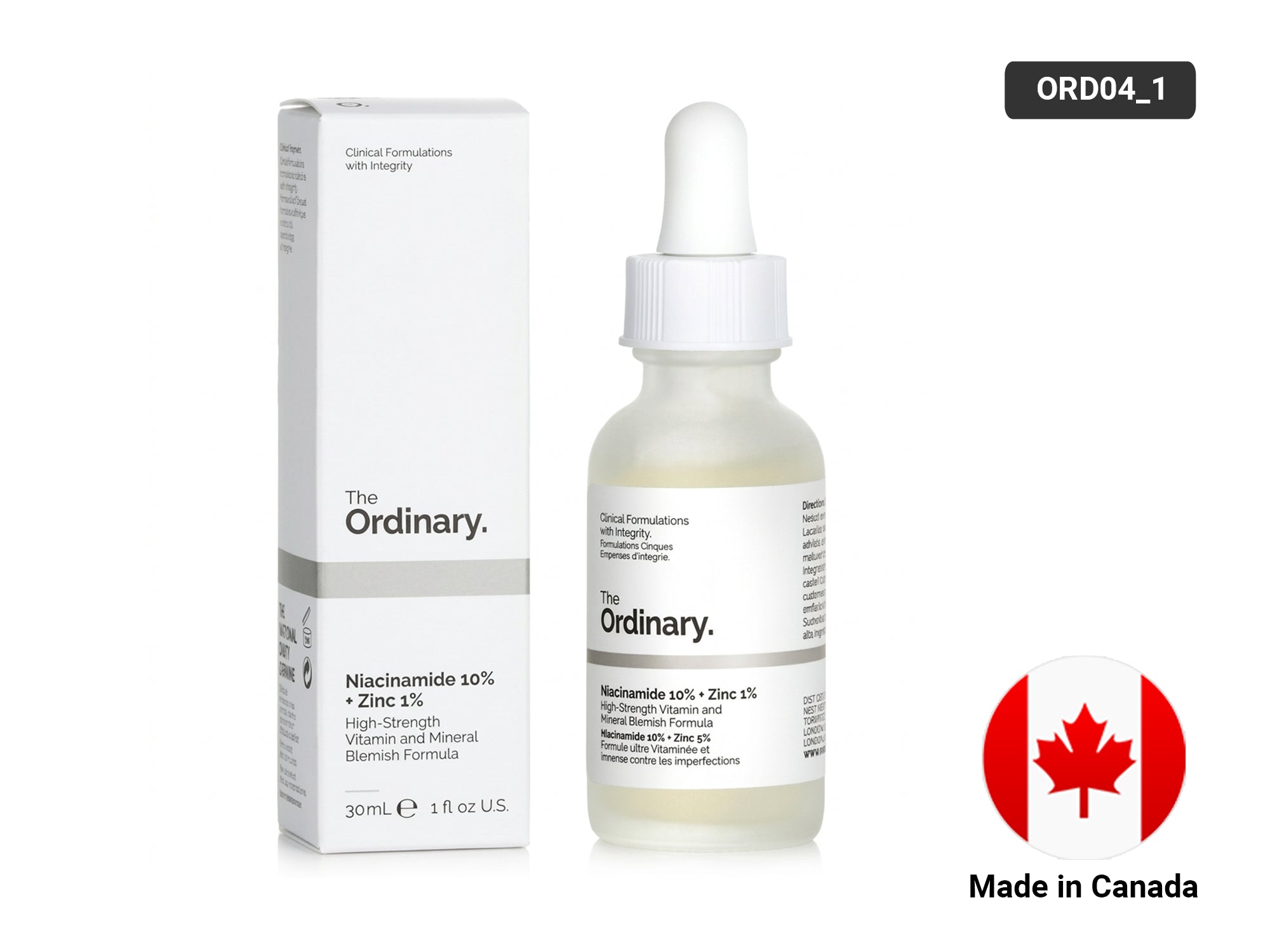
When reading ingredient lists, look for beneficial skincare ingredients such as hyaluronic acid for hydration, niacinamide for oil control and brightening, and ceramides for strengthening the skin barrier. Products like CeraVe Skin Renewing Eye Cream often contain these ingredients to improve skin texture and hydration around the delicate eye area.
Identifying Active Ingredients
Active ingredients are the components responsible for delivering the main benefits of the product. These ingredients target specific skin concerns such as acne, pigmentation, dryness, or aging.
For example, retinol is widely used in anti-aging products because it helps improve skin texture and reduce fine lines. Salicylic acid is commonly used in acne treatments, while vitamin C is known for brightening the skin and reducing dark spots.
When reading cosmetic labels, identifying the active ingredients helps you understand whether the product will actually address your skin concern. Products like Garnier Bright Complete Serum Body Lotion include brightening ingredients designed to improve skin tone and radiance.
Recognizing Beneficial vs Harmful Ingredients
Another important skill when reading cosmetic labels is understanding which ingredients are beneficial and which may cause irritation depending on your skin type.
Beneficial ingredients commonly found in skincare products include:
Hyaluronic Acid for deep hydration
Niacinamide for reducing oil and improving skin tone
Ceramides for repairing the skin barrier
Salicylic Acid for acne and exfoliation
On the other hand, some ingredients may cause irritation for sensitive skin types. High levels of alcohol, artificial fragrance, or certain preservatives can sometimes lead to dryness or redness for people with reactive skin.
This is why gentle products like Cerave Hydrating Cleanser or Cetaphil Gentle Skin Cleanser are often recommended for sensitive skin because they contain mild ingredients that support the skin barrier.
Understanding Product Claims
Many cosmetic products include claims such as “dermatologist tested,” “non-comedogenic,” or “fragrance-free.” While these claims can be helpful, it is still important to read the ingredient list to verify what the product actually contains.
Non-comedogenic products are designed not to clog pores, making them suitable for acne-prone skin. Dermatologist-tested products have typically undergone testing under professional supervision, which can increase confidence in the product’s safety.
For example, moisturizers and cleansers designed for sensitive skin often highlight these claims to show that they are gentle and suitable for everyday use.
Checking Expiration and Usage Instructions
Cosmetic labels also include instructions for proper usage and shelf life. Many products display a small open jar symbol with a number such as 6M or 12M, which indicates how many months the product remains safe to use after opening.
Using products beyond their recommended period may reduce effectiveness and increase the risk of skin irritation. Following the usage instructions also helps ensure you get the best results from the product.
For instance, exfoliating treatments like The Ordinary Salicylic Acid 2% Solution should typically be used according to the recommended frequency to avoid over-exfoliation.
Choosing the Right Products for Your Skin
Once you understand how to read cosmetic labels, choosing skincare products becomes much easier. You can identify ingredients that match your skin type and avoid products that may cause irritation.
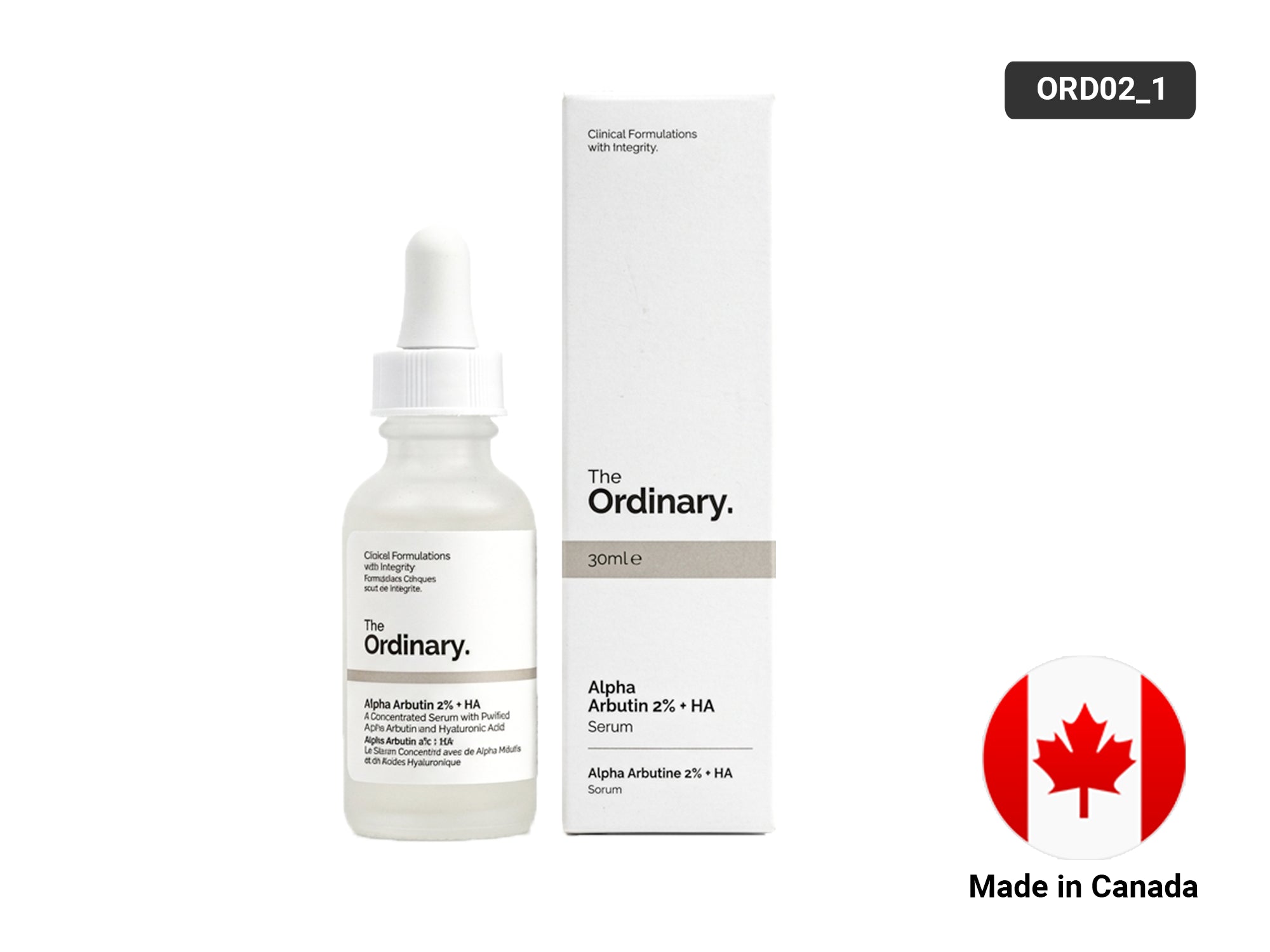
If you have dry skin, look for products rich in hydrating ingredients like ceramides and hyaluronic acid. If you struggle with acne, ingredients like salicylic acid or niacinamide may help control oil and reduce breakouts. For dull skin and uneven tone, brightening ingredients such as vitamin C or alpha arbutin can improve skin radiance.
Shopping through cosmetics.lk allows you to explore a wide range of authentic skincare products in Sri Lanka, making it easier to find cleansers, serums, and moisturizers with ingredients that suit your skincare needs.
Final Thoughts
Learning how to read cosmetic labels like a professional can completely change the way you shop for skincare. Instead of relying only on marketing claims, you can focus on ingredients and formulations that actually benefit your skin.
By understanding ingredient lists, identifying active ingredients, and recognizing useful product claims, you can confidently select the best skincare products for your routine. Whether you are choosing a cleanser, serum, moisturizer, or treatment, reading the label ensures you make smarter skincare decisions and achieve healthier, more radiant skin.