Acne is one of the most common skin concerns in Sri Lanka, affecting teenagers and adults alike. However, not all acne is the same. Understanding the difference between hormonal acne vs regular acne is important if you want to choose the correct skincare products and treatments. Using the wrong products can make breakouts worse, especially if your skin is sensitive or acne-prone. In this guide, we will explain the causes, symptoms, and best skincare routine to manage both types of acne using dermatologist-recommended ingredients.
What is Hormonal Acne?
Hormonal acne is caused by changes in hormone levels, especially androgens. These hormones increase oil (sebum) production, which can clog pores and cause deep, painful pimples. Hormonal acne is common in teenagers, but many adults in Sri Lanka also experience it due to stress, menstrual cycles, pregnancy, or hormonal imbalance.
Hormonal acne usually appears on the lower part of the face, such as the chin, jawline, and cheeks. These breakouts are often cystic, meaning they are deep under the skin and painful to touch. Unlike regular acne, hormonal acne can last longer and may leave dark spots.
People with hormonal acne should use gentle cleansers with salicylic acid, such as Cerave Acne Control Cleanser, because it helps unclog pores without damaging the skin barrier.
What is Regular Acne?
Regular acne is usually caused by clogged pores, bacteria, excess oil, and dead skin cells. It is more common in teenagers but can happen at any age. Regular acne often appears on the forehead, nose, and cheeks, also known as the T-zone.
This type of acne includes blackheads, whiteheads, and small pimples. It is usually easier to treat than hormonal acne and responds well to proper skincare.
A good routine with a gentle cleanser like Cetaphil Gentle Skin Cleanser and treatments with salicylic acid, niacinamide, or benzoyl peroxide can help control regular acne.
Key Differences Between Hormonal Acne and Regular Acne
Hormonal acne usually appears around the jawline and chin, while regular acne appears mostly on the forehead, nose, and cheeks. Hormonal acne tends to be deeper, more painful, and lasts longer. Regular acne is often surface-level and heals faster.
Hormonal acne is linked to stress, periods, and hormonal changes, but regular acne is mostly caused by oil, bacteria, and clogged pores. Because of this, treatment methods can also be different.
If you frequently get breakouts at the same time every month, it is likely hormonal acne. In this case, using products with niacinamide serum, salicylic acid cleanser, and oil-free moisturizers can help control excess oil.
Best Ingredients for Hormonal Acne
When treating hormonal acne, you should look for ingredients that reduce oil, calm inflammation, and keep pores clear.
Salicylic acid helps clean pores and reduce breakouts.
Niacinamide helps control oil and reduce redness.
Retinol helps improve skin renewal and prevent clogged pores.
Hyaluronic acid keeps skin hydrated without making it oily.
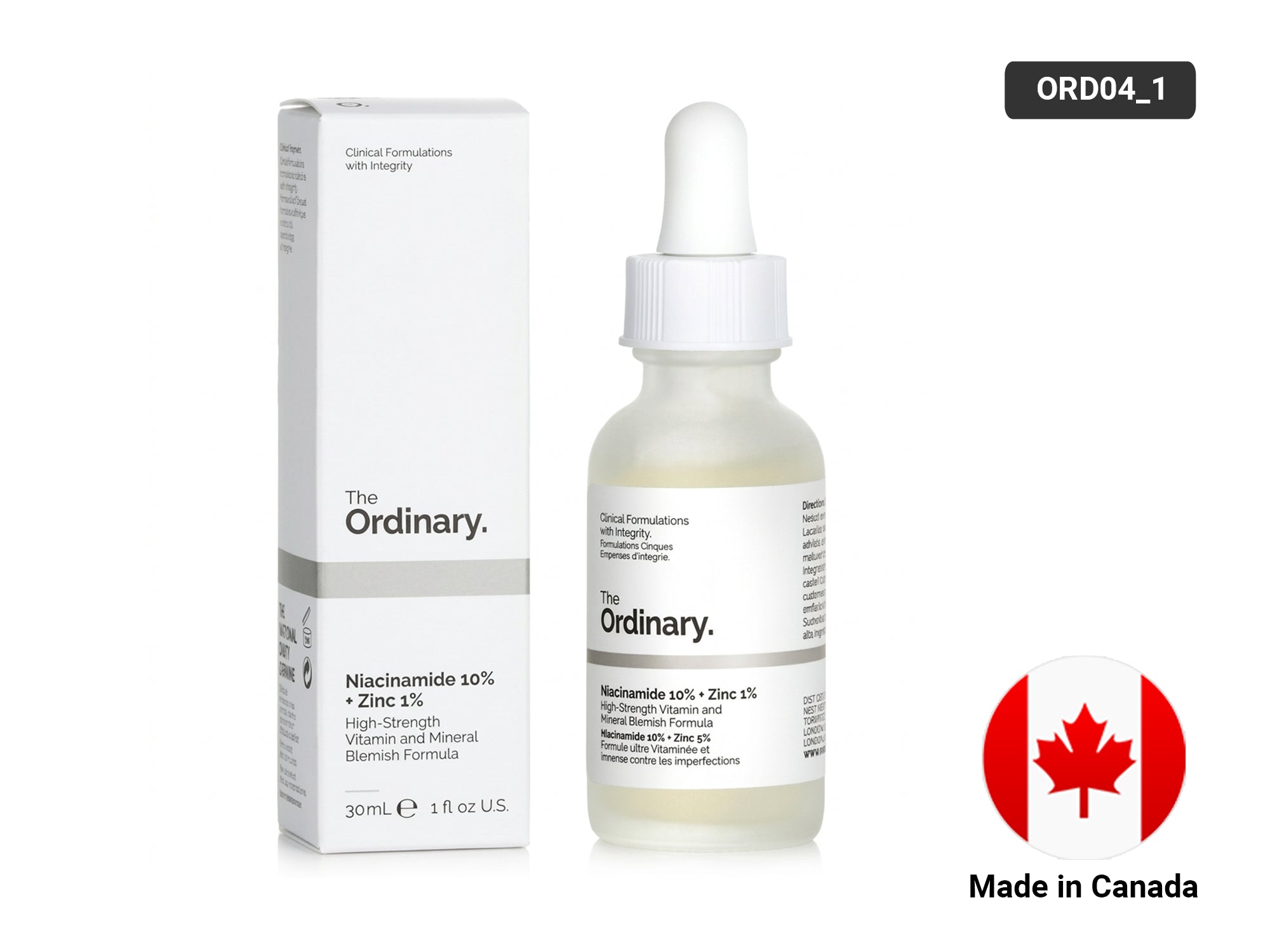
Products like Cerave Resurfacing Retinol Serum, The Ordinary Niacinamide 10% + Zinc, and Cerave SA Cleanser are popular choices in Sri Lanka for acne-prone skin.
Always use a moisturizer such as Cerave Moisturizing Lotion because dry skin can produce more oil and make acne worse.
Best Ingredients for Regular Acne
Regular acne usually improves with a simple skincare routine. The most important step is cleansing twice daily with a gentle but effective cleanser.
Salicylic acid removes dead skin and unclogs pores.
Benzoyl peroxide kills acne-causing bacteria.
Niacinamide reduces redness and oil.
Clay masks help absorb excess sebum.
Using a cleanser like Neutrogena Oil Balancing Facial Wash and a lightweight moisturizer can keep the skin clear without irritation.
Do not over-wash your face because too much cleansing can damage the skin barrier.
Skincare Tips for Acne-Prone Skin in Sri Lanka
The hot and humid climate in Sri Lanka can make acne worse because sweat and oil clog pores easily. Always choose oil-free, non-comedogenic, and dermatologist-tested skincare products.
Wash your face twice daily.
Use sunscreen every day to prevent dark spots.
Avoid heavy creams if you have oily skin.
Do not squeeze pimples because it causes scars.
Use gentle exfoliation 2 to 3 times per week.
Sunscreen is very important, especially when using retinol or salicylic acid. A lightweight sunscreen like Cerave AM Facial Moisturizing Lotion SPF is a good choice for acne-prone skin.
When to See a Dermatologist
If your acne is painful, cystic, or does not improve with skincare, you may have hormonal acne that needs medical treatment. A dermatologist may recommend stronger retinoids, antibiotics, or hormone-balancing treatments.
Do not try too many products at once. A simple routine with cleanser, treatment, moisturizer, and sunscreen works best for most people.
Conclusion
Understanding the difference between hormonal acne vs regular acne helps you choose the right skincare routine and avoid wasting money on the wrong products. Hormonal acne is deeper and linked to hormone changes, while regular acne is usually caused by clogged pores and oil.
With the right ingredients like salicylic acid, niacinamide, retinol, and ceramides, you can control breakouts and keep your skin healthy. Always choose original skincare products in Sri Lanka from trusted stores like cosmetics.lk to get the best results.