Dark spots, pigmentation, and uneven skin tone are common concerns among skincare lovers in Sri Lanka. Whether caused by acne scars, sun exposure, or hormonal changes, hyperpigmentation can be stubborn and frustrating. Two of the most powerful ingredients used to treat dark spots today are arbutin and niacinamide. But which one works better?
In this detailed guide, we compare arbutin vs niacinamide for dark spots, how they work, who should use them, and how to choose the best option for your skin type. If you’re shopping for effective brightening skincare at cosmetics.lk, this guide will help you make the right choice.
What Is Arbutin?

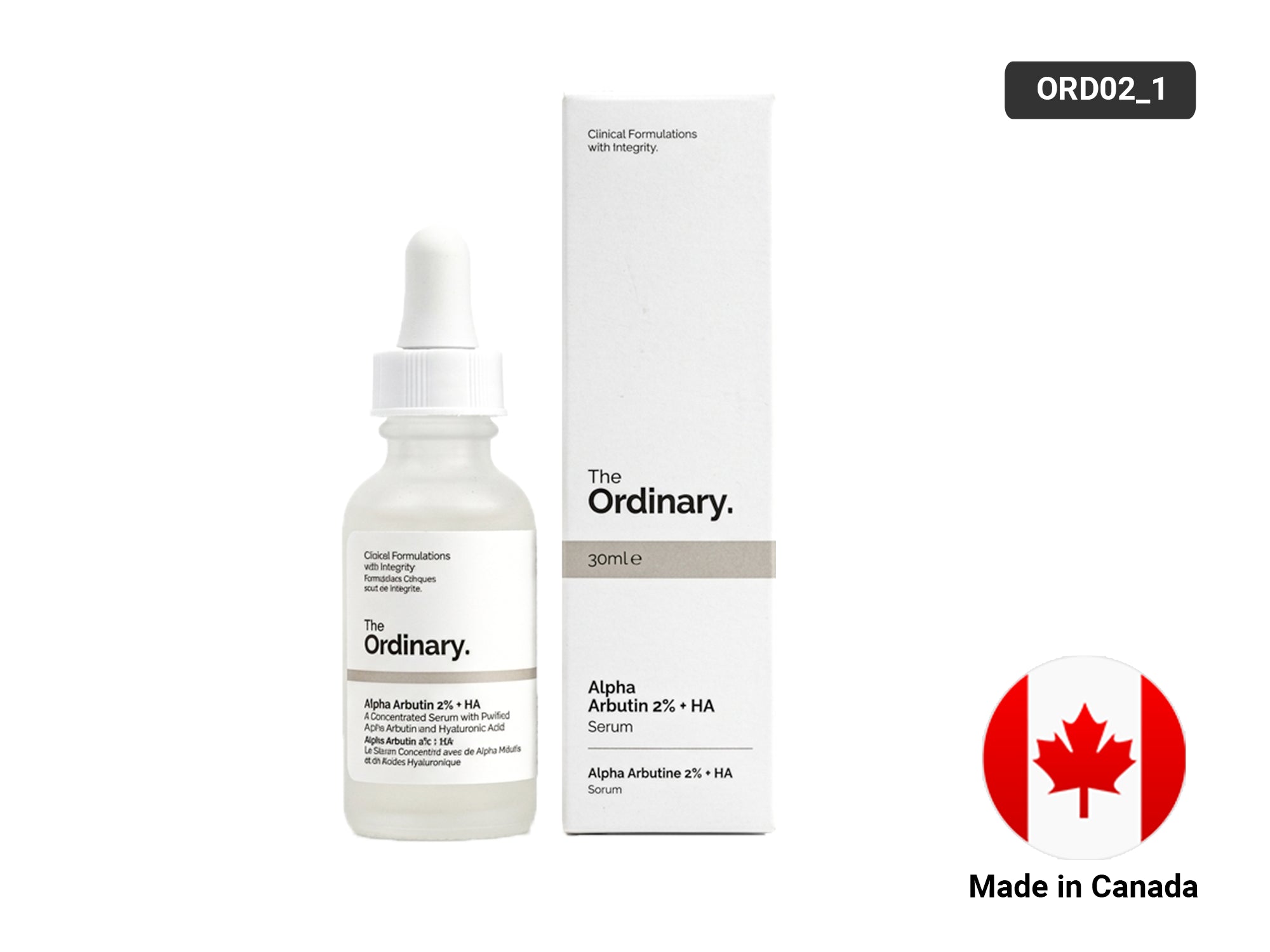
Arbutin is a skin-brightening ingredient derived from bearberry plants. It is widely used in serums and creams designed to reduce hyperpigmentation, melasma, acne marks, and sun spots.
Arbutin works by inhibiting tyrosinase, the enzyme responsible for melanin production. By slowing down melanin formation, it helps fade dark spots and brighten the complexion over time.
There are two main types: Alpha arbutin (more stable and effective) and Beta arbutin (less potent but still beneficial). Many brightening products available at cosmetics.lk include alpha arbutin because it is gentler than hydroquinone yet still highly effective.
Key Benefits of Arbutin
• Targets dark spots directly
• Reduces acne scars and sun damage
• Evens out skin tone
• Safe for most skin types
• Suitable for sensitive skin
Arbutin is ideal if your main concern is visible pigmentation and uneven patches.
What Is Niacinamide?
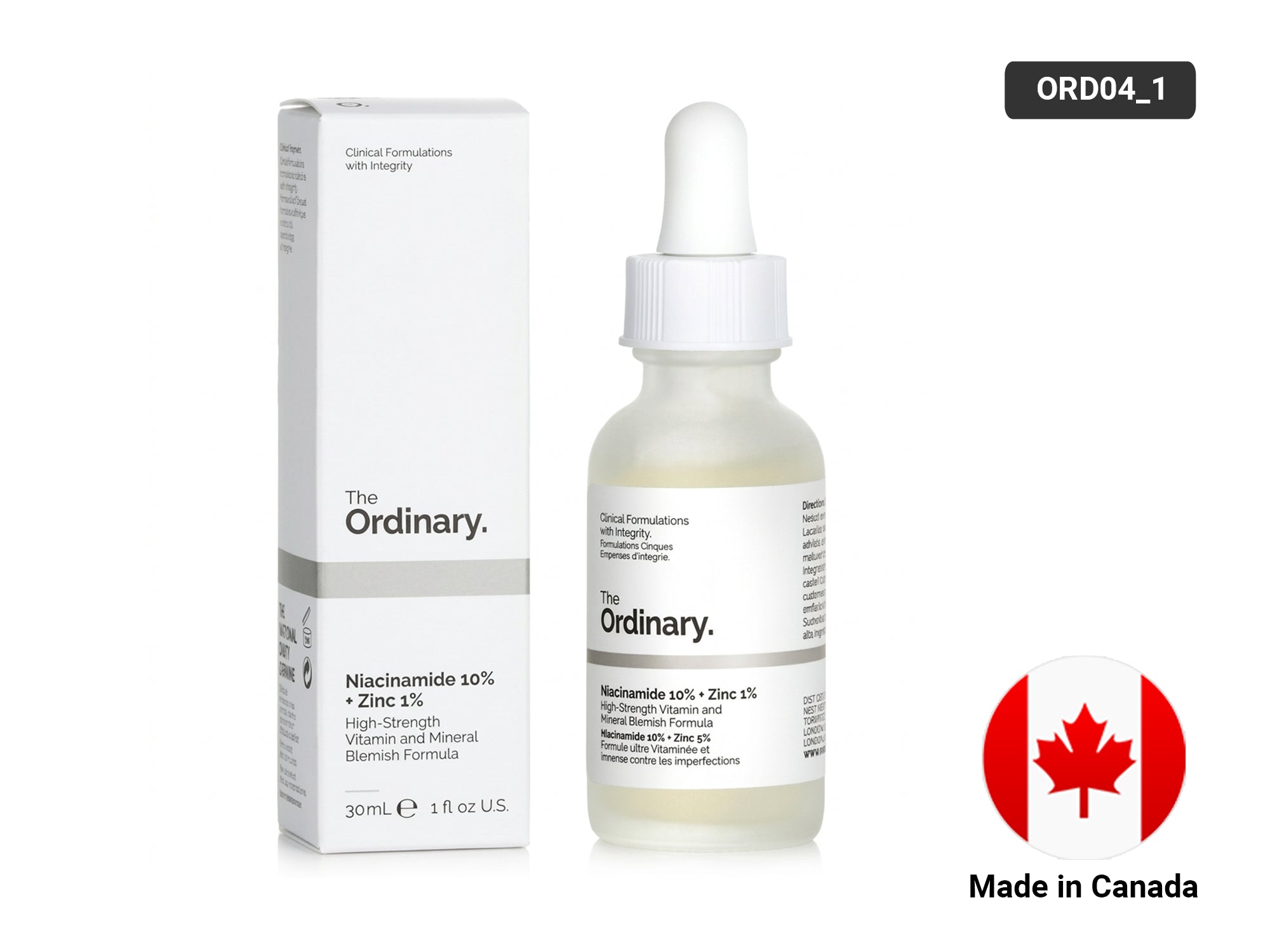
Niacinamide, also known as Vitamin B3, is one of the most versatile skincare ingredients. It not only helps with pigmentation but also improves skin texture, oil control, and barrier strength.
Unlike arbutin, niacinamide does not directly block melanin production. Instead, it prevents the transfer of pigment to skin cells, which gradually reduces the appearance of dark spots.
It is commonly found in serums, moisturizers, and toners. Many bestselling products at cosmetics.lk feature niacinamide because it suits oily, acne-prone, and combination skin types.
Key Benefits of Niacinamide
• Reduces dark spots and post-acne marks
• Controls excess oil
• Minimizes pores
• Strengthens the skin barrier
• Reduces redness and inflammation
Niacinamide is perfect if you want a multi-benefit ingredient that treats pigmentation while improving overall skin health.
Arbutin vs Niacinamide: Main Differences
1. How They Treat Pigmentation
Arbutin directly reduces melanin production, making it more targeted for stubborn dark spots. Niacinamide works indirectly by limiting pigment transfer and calming inflammation. If you have deep pigmentation or melasma, arbutin may show faster visible results. If your dark spots are mild and related to acne, niacinamide can be highly effective.
2. Suitability for Skin Types
Oily and acne-prone skin: Niacinamide is usually better because it regulates sebum and reduces breakouts.
Dry and sensitive skin: Arbutin is gentle and effective without causing irritation.
Combination skin: Both ingredients can work well depending on your main concern.
3. Speed of Results
Arbutin often shows visible brightening results within 4 to 6 weeks when used consistently. Niacinamide may take slightly longer but improves overall skin clarity and smoothness over time. Consistency and daily sunscreen use are essential when treating pigmentation.
Can You Use Arbutin and Niacinamide Together?
Yes, and this is actually one of the best strategies for treating dark spots.
Arbutin and niacinamide complement each other. Arbutin reduces melanin production, while niacinamide improves barrier health and prevents pigment transfer.
Using both in your skincare routine can enhance brightening results, reduce irritation risk, improve overall skin texture, and strengthen skin resilience. Many modern brightening serums combine alpha arbutin and niacinamide in one formula for maximum effectiveness.
How to Use Arbutin and Niacinamide in Your Routine

Morning Routine: Gentle cleanser, Niacinamide serum, Moisturizer, Sunscreen (SPF 30 or higher).
Night Routine: Cleanser, Arbutin serum, Moisturizer.
Always apply sunscreen daily when treating pigmentation. Sun exposure can worsen dark spots and reverse your progress. At cosmetics.lk, you can find a wide range of brightening serums, vitamin B3 treatments, and pigmentation creams designed for Sri Lankan weather and skin types.
Which One Should You Choose?
Choose Arbutin if you have stubborn dark spots or melasma, want a targeted brightening solution, or have sensitive skin.
Choose Niacinamide if you have oily or acne-prone skin, want pore-minimizing benefits, or need overall skin improvement beyond spot treatment.
For best results, combining both ingredients is often the most effective approach.
Final Thoughts: Arbutin vs Niacinamide for Dark Spots
Both arbutin and niacinamide are powerful ingredients for treating hyperpigmentation. The best choice depends on your skin type and specific concern.
If your goal is fast, targeted spot correction, arbutin may be more suitable. If you want oil control, pore refinement, and gradual brightening, niacinamide is an excellent choice.
For optimal results, explore high-quality brightening serums, niacinamide treatments, and pigmentation solutions available at cosmetics.lk. Investing in the right skincare ingredients and using them consistently can help you achieve a clearer, more radiant complexion.
Remember, treating dark spots takes time. Stay consistent, protect your skin from the sun, and choose products formulated for your unique skin needs.