When it comes to skincare ingredients, Niacinamide and Vitamin C are two of the most popular options for achieving healthy, glowing skin. Both ingredients offer impressive benefits, but many people are unsure which one is better for their skin concerns.
Should you choose Niacinamide for oil control and acne, or Vitamin C for brightening and dark spots? The answer depends on your skin type and goals.
In this guide, we will explain the differences between Niacinamide and Vitamin C, their benefits, and how to choose the right ingredient for your skincare routine. This will help you find the best serums and treatments available at cosmetics.lk.
What Is Niacinamide?
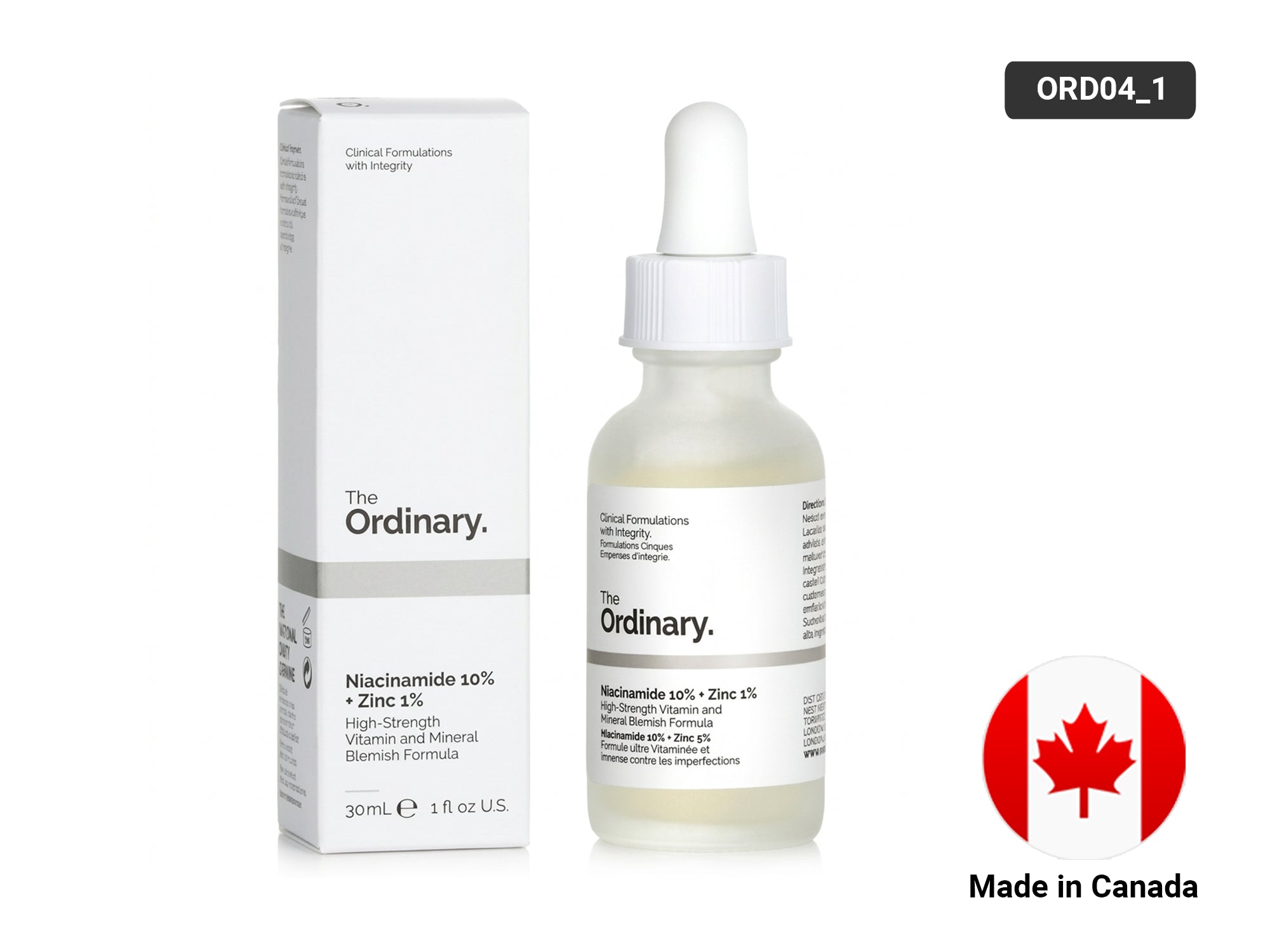
Niacinamide, also known as Vitamin B3, is a powerful skincare ingredient that helps strengthen the skin barrier, reduce excess oil production, and improve overall skin health.
It is suitable for almost all skin types, including sensitive and acne-prone skin.
Benefits of Niacinamide:
-
Controls excess oil production
-
Reduces the appearance of pores
-
Helps fade acne marks
-
Strengthens the skin barrier
-
Calms redness and irritation
-
Improves uneven skin tone
Niacinamide is often recommended for people who struggle with oily skin, acne, enlarged pores, or sensitivity.
You can find popular Niacinamide serums at cosmetics.lk from trusted skincare brands such as The Ordinary, COSRX, and Anua.
What Is Vitamin C?
Vitamin C is a powerful antioxidant that protects the skin from environmental damage while helping to brighten the complexion and reduce pigmentation.
It is one of the most effective ingredients for achieving radiant and youthful-looking skin.
Benefits of Vitamin C:
-
Brightens dull skin
-
Reduces dark spots and pigmentation
-
Helps even out skin tone
-
Supports collagen production
-
Protects against environmental damage
-
Reduces signs of aging
Vitamin C is commonly used by people who want brighter skin, reduced pigmentation, and a more youthful appearance.
Many dermatologists recommend Vitamin C as part of a daily morning skincare routine because it helps protect the skin from free radical damage caused by pollution and UV exposure.
Niacinamide vs Vitamin C : Key Differences
-
Main Purpose
Niacinamide focuses on skin barrier repair, oil control, and calming the skin.
Vitamin C focuses on brightening, pigmentation reduction, and antioxidant protection.
-
Best for Oily Skin
Niacinamide is generally better for oily and acne-prone skin because it helps regulate sebum production.
Vitamin C can still be used on oily skin but may not provide the same oil-control benefits.
-
Best for Dark Spots
Vitamin C is often considered more effective for fading pigmentation and sun spots.
Niacinamide can also help improve post-acne marks over time.
-
Skin Sensitivity
Niacinamide is usually gentler and less likely to cause irritation.
Vitamin C can sometimes cause mild irritation, especially in higher concentrations.
-
Anti-Aging Benefits
Both ingredients help reduce signs of aging.
Vitamin C boosts collagen production, while Niacinamide improves skin elasticity and strengthens the skin barrier.
Which Ingredient Is Better for Your Skin Type?
Niacinamide is often the better choice.
It helps reduce excess oil and minimizes the appearance of pores.
Both ingredients can be beneficial.
Choose products that contain hydrating ingredients such as Hyaluronic Acid and Ceramides alongside Niacinamide or Vitamin C.
Niacinamide is usually easier to tolerate.
It helps calm redness and strengthen the skin barrier without causing irritation.
Vitamin C is often the preferred option.
It helps brighten the skin and gradually fade uneven pigmentation.
Niacinamide is highly recommended.
It helps reduce inflammation, control oil, and improve the appearance of acne marks.
Both Niacinamide and Vitamin C work well for normal skin.
If your goal is maintaining a healthy skin barrier and balanced complexion, Niacinamide is an excellent choice. If you want to enhance radiance and protect your skin from environmental damage, Vitamin C may be more beneficial.
Many people with normal skin can successfully use both ingredients together for comprehensive skincare benefits.
Both ingredients can be beneficial for combination skin.
Niacinamide helps regulate excess oil in the T-zone while supporting the skin barrier in drier areas. Vitamin C helps brighten the complexion and improve uneven skin tone across different areas of the face.
Using both ingredients can help address multiple concerns commonly experienced with combination skin.
Niacinamide is often the better choice for dry or dehydrated skin.
It helps strengthen the skin barrier, improve moisture retention, and reduce water loss. For best results, pair Niacinamide with hydrating ingredients such as Hyaluronic Acid, Ceramides, and Glycerin.
Vitamin C can also be used on dry skin, but it should be combined with a good moisturizer to prevent potential dryness or irritation.
Vitamin C is generally the preferred option.
It helps reduce pigmentation, brighten dull areas, and promote a more even-looking complexion. Niacinamide can also support improvements in skin tone by reducing post-acne marks and discoloration over time.
Using both ingredients together may deliver even better results for overall skin clarity and brightness.
Vitamin C is often the best choice for dull or tired-looking skin.
Its antioxidant properties help boost radiance and improve skin brightness, giving the complexion a healthier and more refreshed appearance.
Niacinamide can also contribute to a smoother, healthier-looking complexion, but Vitamin C is typically more effective for achieving an immediate glow and long-term brightness.
Can You Use Niacinamide and Vitamin C Together?
Yes.
Many people believe Niacinamide and Vitamin C should not be used together, but modern skincare research shows that they can safely be combined in the same routine.
Using both ingredients together can provide multiple benefits, including:
-
Brighter skin
-
Improved skin barrier
-
Reduced pigmentation
-
Better hydration
-
Healthier overall complexion
Many skincare products now include both ingredients in one formula to maximize results.
How to Use Niacinamide and Vitamin C in Your Routine
-
Morning Routine
-
Night Routine
Using Vitamin C in the morning helps protect the skin from environmental damage, while Niacinamide at night helps repair and strengthen the skin barrier.
How Long Does It Take to See Results?
Niacinamide
Visible improvements may appear within 4 to 8 weeks with consistent use.
Vitamin C
Many users notice brighter skin within 4 to 6 weeks, while dark spots may take several months to fade significantly.
Consistency is the key to achieving the best results with either ingredient.
Final Verdict – Niacinamide or Vitamin C?
There is no single winner because both ingredients offer unique benefits.
Choose Niacinamide if your main concerns are oily skin, acne, enlarged pores, or skin sensitivity.
Choose Vitamin C if your goal is brighter skin, reduced pigmentation, and protection against premature aging.
For the best results, many skincare experts recommend using both ingredients as part of a complete skincare routine.
You can find original Niacinamide serums, Vitamin C serums, and other skincare essentials at cosmetics.lk from leading global beauty brands trusted by skincare enthusiasts worldwide.
Frequently Asked Questions (FAQs)
1. Which is better: Niacinamide or Vitamin C?
Neither ingredient is universally better. Niacinamide is ideal for oily skin, acne, enlarged pores, and skin barrier support, while Vitamin C is best for brightening skin, reducing dark spots, and protecting against environmental damage. The right choice depends on your skin concerns.
2. Can I use Niacinamide and Vitamin C together?
Yes. Modern skincare research shows that Niacinamide and Vitamin C can be used together safely. Combining them may help improve skin brightness, strengthen the skin barrier, reduce pigmentation, and support overall skin health.
3. Should I use Niacinamide or Vitamin C for acne?
Niacinamide is generally the better option for acne-prone skin. It helps control excess oil, reduce inflammation, minimize pores, and improve the appearance of post-acne marks.
4. Is Vitamin C better for dark spots and pigmentation?
Yes. Vitamin C is one of the most effective skincare ingredients for reducing hyperpigmentation, sun spots, and uneven skin tone. Consistent use can help create a brighter, more even complexion.
5. Which ingredient is best for oily skin?
Niacinamide is usually the best choice for oily skin because it helps regulate sebum production, reduce shine, and minimize the appearance of enlarged pores.
6. Is Niacinamide suitable for sensitive skin?
Yes. Niacinamide is considered one of the gentlest skincare ingredients and is often recommended for sensitive skin. It helps calm redness, strengthen the skin barrier, and reduce irritation.
7. Can Vitamin C cause skin irritation?
Vitamin C may cause mild irritation, tingling, or redness in some people, especially when used in high concentrations. If you have sensitive skin, start with a lower-strength Vitamin C serum and gradually increase usage.
8. Can Niacinamide help fade acne scars?
Niacinamide can help reduce the appearance of post-acne marks and discoloration over time. However, deeper acne scars may require additional treatments and professional skincare advice.
9. How long does it take to see results from Niacinamide or Vitamin C?
Most people notice visible improvements within 4 to 8 weeks of consistent use. Dark spots and pigmentation may take several months to fade significantly, depending on their severity.
10. Can I use Vitamin C every day?
Yes. Vitamin C is generally safe for daily use and is most commonly applied in the morning before moisturizer and sunscreen to help protect the skin from environmental stressors.
11. Should I use Niacinamide in the morning or at night?
Niacinamide can be used both morning and night. Many people prefer using it at night to support skin repair and barrier recovery while they sleep.
12. Which ingredient is best for glowing skin?
Vitamin C is often considered the best ingredient for achieving brighter, more radiant-looking skin. Its antioxidant properties help improve skin tone and restore a healthy glow.